Sunday, April 22, 2012

2000-2009: Old School Metal Albums That Will Stand The Test Of Time

With just about any old school metal discussion on the internet, you'll find that the general consensus on such music is that it peaked some time between 1983 and 1994 and that material of the highest quality is rarely released any more. Most will acknowledge that quality releases still appear constantly but that such releases do not stand the test of time as countless albums from the "golden age" do. This post will serve to highlight the few albums that I believe will be regarded as classics amongst the old school metal canon, even in the distant future.

Beherit - Engram

Multiple circles on the internet hold Engram as the best album released in the decade of 2000 to 2009. While it may not always be my personal preference, I can't really fault these fans for their praise. What we have here is basically Beherit, easily one of the best Finnish metal bands of the classic era, producing a synthesis of their entire catalog while still progressing and adapting to modern styles. Many of the songs on this album are played with even more energy and aggression than their ferocious classic Drawing Down The Moon, yet Beherit also draw from their ambient era, namely Electric Doom Synthesis, especially on the album closer "Demon Advance". Despite the obvious nods to their previous material, Beherit still manages to combine all these influences into something totally new and refreshing, even dressed up in a more modern, though never overly polished, production job.


Dead Congregation - Graves Of The Archangels
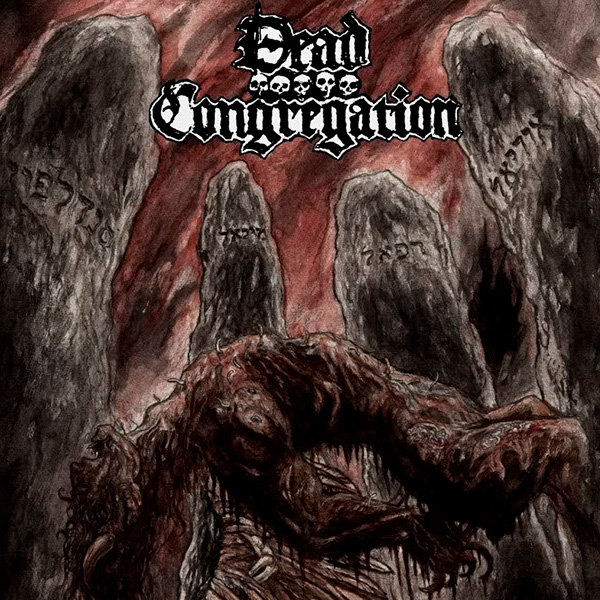
When viewed in context, Dead Congregation were certainly the best death metal band to come out of this decade. The Chasm are a contender, but considering they peaked with 1998's Deathcult For Eternity: The Triumph, none of their modern releases seem as relevant. Like Beherit, Dead Congregation find a way on this album to draw almost exclusively from old school influences and ideals without producing overly derivative material. The style here is simple; it is composed of equal parts Incantation and Immolation, but with Dead Congregation's own stylistic elements thrown into the mix. The doom-laden atmosphere of Incantation is perfectly melded with the dissonant elements of Immolation and is filtered through the guitarists own personal style, often utilizing with tasteful pinch harmonics, to create a unique riffing style to appease the old school fans tired of recycled material. The songwriting is plenty varied as well, allowing for both classic speedy tunes and monstrous epics.


Hail - Inheritance Of Evilness
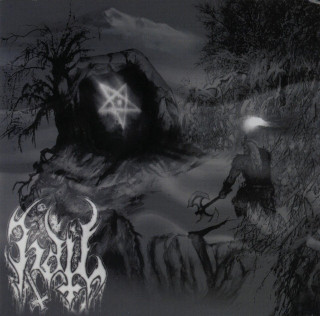
Hail's one and only album may very well be the most interesting old school album of this last decade. What first appears to be a bloated and repetitive black metal release reveals its secrets upon further listens. Looking solely at the general sound of the various riffs and vocal passages, the album first appears to be an odd mix of early Beherit and Varathron. Indeed, Hail cover Varathron's classic "Unholy Funeral" on this album, and it blends so seamlessly with the rest of the album that the Varathron influences throughout the rest of the work become unmistakable. However, while the Beherit/Varathron mix is not done every day, what truly makes Hail unique is their songwriting. This may be a sacrilegious comparison, but their song structures remind me most of the legendary Hvis Lyset Tar Oss. Specifically, their songs gradually unfold as memorable leitmotifs are met with subtle variations, creating massive epics out of a few simple melodies rather than from dozens of unnecessary riffs.


Mournful Congregation - The Monad Of Creation
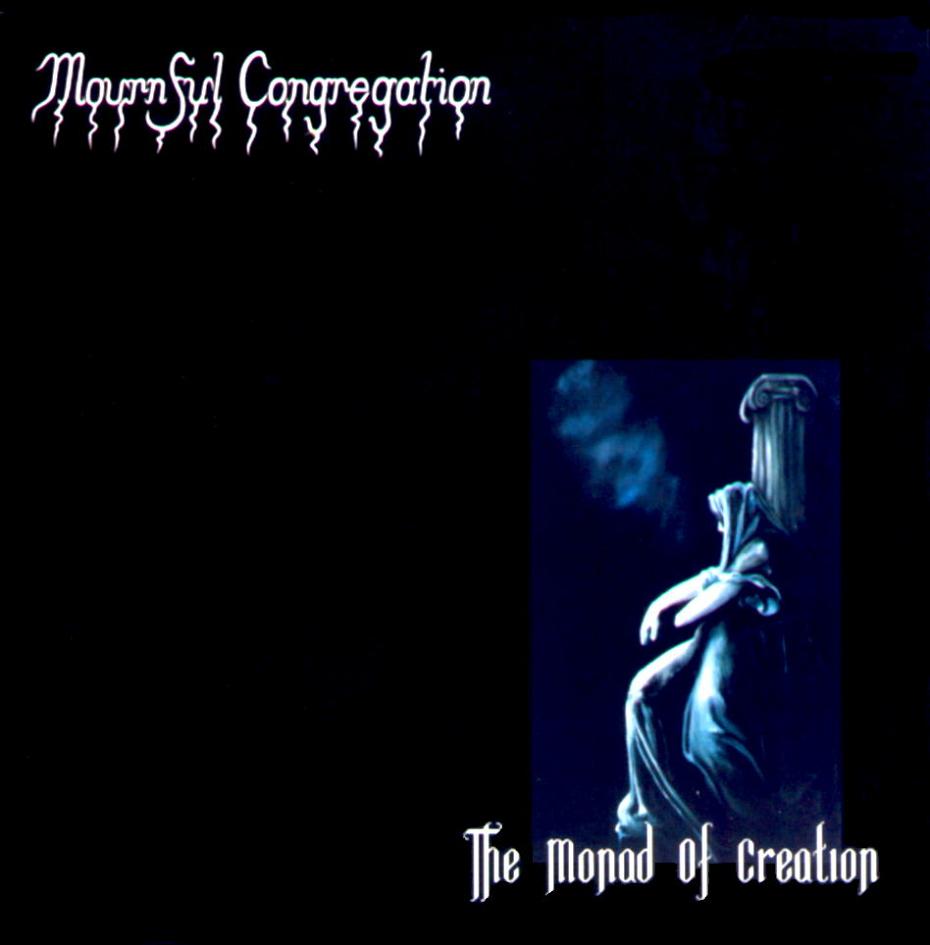
Although the funeral doom sub-genre got started a little later than the other brands of extreme metal, it still became pretty lifeless by the end of the millennium, with Worship releasing their masterpiece Last Tape Before Doomsday in 1999 and then declining like the rest of the core artists. I will acknowledge that, as far as general sound is concerned, Mournful Congregation don't differentiate themselves much from their '90s sound with this release; however, in terms of quality, the songs here are second only to An Epic Dream Of Desire. Thus, the album is still highly desirable considering their short demos leave the listener wanting more, and Tears From A Grieving Heart is not quite powerful enough to fulfill that need. Also, the production job is best on this release. If you're not familiar with Mournful Congregation's sound, they are a pretty standard (yet exceptional) funeral doom band combining the heaviness of Worship and the sorrowful, melodic focus of early Funeral.


Revelation - Release

Revelation are another band that can seem dull or uninspired on the surface; however, repeated listens reveal a deeply emotional spirit within this music. The vocal style may seem incredibly tame, and the album does open with a rather lethargic riff, but these less exciting moments effectively build anticipation for various climaxes within the album. On the surface, this album may be classified as traditional doom metal, with possible influences from Black Sabbath or Trouble, but a distinct element of progressive rock is also present, possibly reminiscent of Rush. As noted above, the songs do not surge forth with bombastic power but rather subtly build up into powerfully emotional passages. Continuing with the example of the first song, the lazy rock riff slowly transforms into a more immense doomy passage followed by an extended solo section. While I enjoy the songwriting and various other elements, the guitar solos are truly the highlight of this album for me. Very few traditional metal artists pour this much emotion and tasteful vibrato into their leads though some legends like Fates Warning come to mind.


Reverend Bizarre - In The Rectory Of The Bizarre Reverend
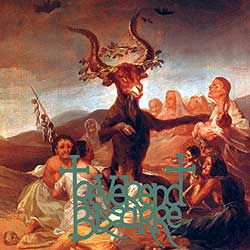

In my personal opinion, Reverend Bizarre's style is ideal for producing boring, lethargic songs, and indeed some of their material turns out that way, with the songs on this album being the main exception. Their style essentially consists of the heaviness and crawling tempos of Saint Vitus at their most extreme, along with sorrowful operatic vocals reminiscent of dramatic vocalists like Johan Langquist or Rob Lowe. Thus, like the slowest of Saint Vitus or a classic funeral doom band, the guitar work offers very little variation and relies on a hypnotic atmosphere and mood to appease listeners. In addition, when a band relies on three or four riffs to create a ten minute song, as a general rule, these riffs and their supporting lyrics have to be of the highest quality. On many of Reverend Bizarre's multiple splits, EP's, and full lengths, the music as a whole falls short of this expectation, but on In The Rectory Of The Bizarre Reverend, the riffs and vocals effectively keep the listener's interest for the album's full 74 minute duration. Specifically, "Burn In Hell!" has certain anthemic qualities while "The Hour Of Death" is Reverend Bizarre at their most mournful, and "Cirith Ungol" astonishingly manages to make a 21 minute song enjoyable first with strong fantastical lyrics and ultimately with a fitting epic climax.


Summoning - Oath Bound

This is likely the most controversial selection in this post, given the common belief that Summoning "release the same album over and over" compounded with the general preference for works like Dol Guldur or Nightshade Forests. Contrary to that hasty generalization, despite the same general formula, each Summoning release seeks to differentiate itself from the others through various songwriting and production choices; for instance, songwriting and production highlight the black metal elements of Minas Morgul while creating an almost entirely ambient album with Nightshade Forests. While Summoning may have peaked in the '90s, like Mournful Congregation, and tried to produce something more accessible with their 2001, Oath Bound's release in 2006 signified a complete return to form and more. In a way, the album focuses on keyboard work almost as much as Nightshade Forests; while the production certainly allows the guitars to be prominent on this release, the riffs are often ambient, complementing the keyboards completely instead of creating their own lead melodies. In addition, Oath Bound offers some of Summoning's very best songs, such as "Mirdautas Vras" and "Land Of The Dead", which are songs of the very highest caliber. 


Reminder: This list focuses on albums that will remain classic for years to come; I am not implying that releases from Inquisition, The Chasm, Hour Of 13, Nocternity, Grave Miasma, etc. are not quality albums. Also, the list is solely for albums in the *old school* style, hence I ignored other quality releases from bands like Warning or Esoteric.

Sunday, March 25, 2012

Steel - "Heavy Metal Machine"

Given that my metal fandom began with Opeth (not counting the inevitable Metallica phase), it was essential for me to at least check out this release, which features multiple Opeth members as well as the acclaimed Dan Swano on vocals. The music here is an enthusiastic tribute to '70s heavy metal and '80s power metal with an attitude reminiscent of Judas Priest, Accept, and the like.

At first listen, the music here is enjoyable to the average metal fan, with catchy hooks and the beloved heavy metal attitude defining the sound. However, while I would still consider the music enjoyable, it is ultimately lacking as one might expect from a tribute band with no personal vision. Steel's demo is found lacking specifically because it is essentially the opposite of famed heavy metal releases like Awaken The Guardian, Sad Wings Of Destiny, or King Of The Dead; the riff structures, despite producing genuinely catchy riffs, are as basic and mundane as possible as if written and recorded in a few short minutes, and each song is essentially structured like a hit single with no depth of songwriting. Additionally, Dan Swano's status as easily the most overrated metal vocalist of all time is detrimental to the demo - Swano was average at best in Edge of Sanity, Nightingale, and other projects, and his attempts here at power metal wails recall none of the glory of John Arch or Harry Conklin.

Ultimately, Heavy Metal Machine is a subconscious attempt to appeal to the metal mainstream as all of its quality is expressed upfront in simplistic catchy riffs and stripped-down song structures; it fails to further reward listeners with consecutive listens as albums of the highest quality do.

Friday, March 16, 2012

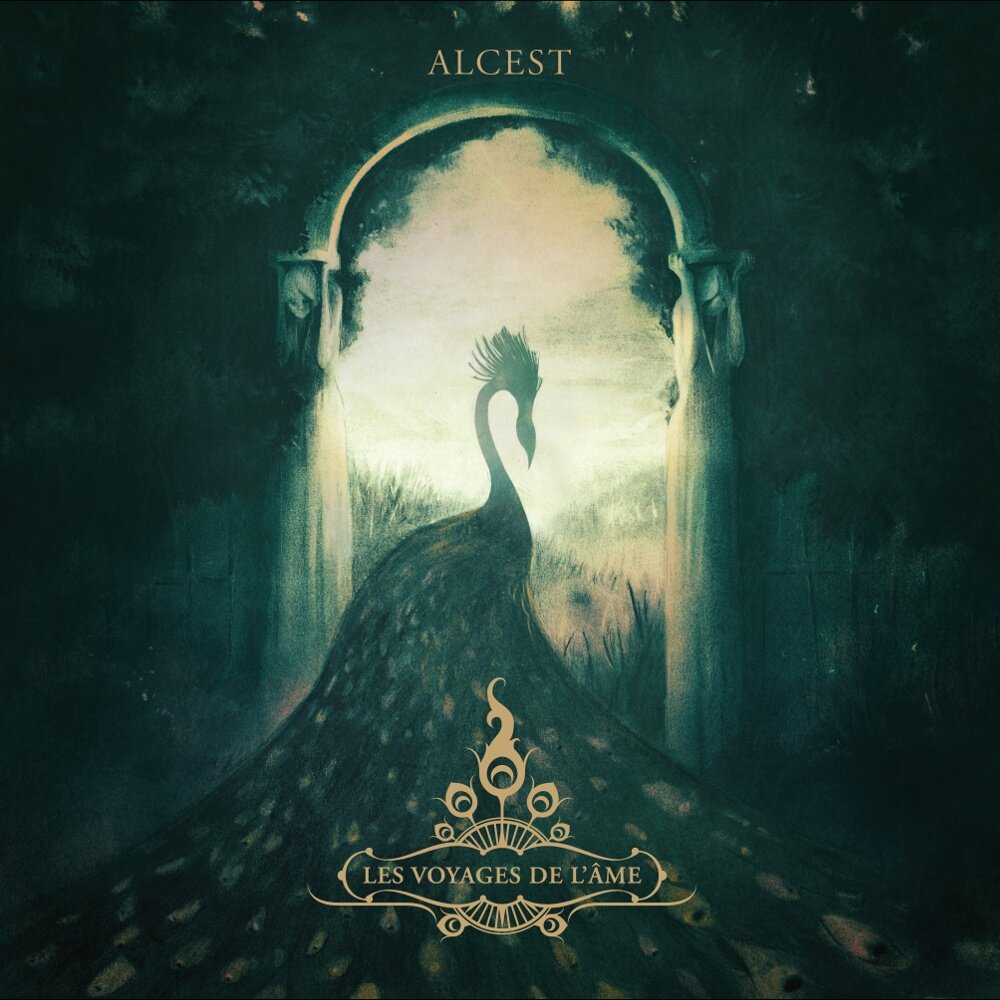
Alcest - "Les Voyages De L'âme" - Some Thoughts...

Les Voyages De L'âme is the perfect example of timing and context playing a significant role in one's enjoyment of an album. Several positive factors are in place here as they are in previous Alcest albums; the guitar tone is surreal at times, and some of the melodies are relatively infectious as well. The key issue with this album is that Alcest, who previously have developed entirely new aesthetics for each of their previous albums, really do nothing new on this record. The clean guitar tone is slightly modified, being a sort of middle-ground between the tones on Souvenirs D'un Autre Monde (speaking in vague terms, Souvenirs had a "spring-time" aesthetic) and the more celestial sound on Ecailles De Lune. Likewise, as far as melodies and other musical elements are concerned, there's nothing new to be seen on this album; again, Niege merely haphazardly combines elements from his previous works.

All of this is not meant to imply that an artist cannot maintain the same general sound and still release quality material, but the other important issue with Les Voyages De L'âme is simply that most of the material is not as memorable as other well-loved Alcest tracks. Voyages is the only Alcest record that I can't vividly remember after listening. However, while not as powerful and inspired as Niege's other records, Voyages can still be an enjoyable listen, whether ultimately memorable or not; "Autre Temps" and "Beings Of Light" specifically are up to scratch.

Monday, March 12, 2012

"The Heavy Metal Awards"

Here are a few "bests" that everyone should hear:


Best Metal Band: Slayer
http://www.youtube.com/watch?v=xtwOoMlwD8w


Best Metal Album: Judas Priest - Sad Wings Of Destiny
http://www.youtube.com/watch?v=EKSU1W0ZUmQ


Best Metal Song: Bathory - "A Fine Day To Die"
http://www.youtube.com/watch?v=iHFBsvJA4HM


Best Metal Riff: Judas Priest - "Tyrant"
http://www.youtube.com/watch?v=aFkLedEX6Qc (@ 2:00)


Best Doom Metal Song: Candlemass - "Solitude"
http://www.youtube.com/watch?v=woe_4gkS4XU


Best Thrash Metal Song: Infernal Majesty - "None Shall Defy"
http://www.youtube.com/watch?v=eRpT61_R86A


Best Death Metal Song: Miasma - "Baphomet"
http://www.youtube.com/watch?v=UkZy6gywfIE


Best Black Metal Song: Burzum - "Det Som En Gang Var"
http://www.youtube.com/watch?v=MBll5LyMnAw


Best Metal Instrumental: Dead Congregation - "Martyrdoom"
http://www.youtube.com/watch?v=liJx2R2FqX4


Best Metal Guitar Solo: Metallica - "Ride The Lightning"
http://www.youtube.com/watch?v=GI8xrnOrftM (@ 2:45)
Note: This could've gone several ways; I just picked one...


Best Metal Scream: Hail - "Let The Wolves Lead You To Satan's Glory"
http://www.youtube.com/watch?v=SJbXJB_e9Mg (Let it build up from 8:00)


Most "Metal" Song: Destroyer 666 - "Australian And Anti-Christ"
http://www.youtube.com/watch?v=Fbp6WqzoO0o

My Top 20 Albums Of All Time - As Of 3/12/2012

For the last few weeks, I've been thinking about getting back into blogging; however, very few albums have inspired me to write hundreds of words in description of them. Also, while my knowledge of other forms of music is rapidly growing, my expertise is still found in heavy metal, so I don't exactly feel qualified to speak on the behalf of certain albums. Thus, here is a simple post to get me started again without going into too much detail. More extensive reviews on request.

In order, and always subject to change:

1) Rubber Soul - The Beatles
2) Sad Wings Of Destiny - Judas Priest
3) Blackwater Park - Opeth
4) The Dark Side Of The Moon - Pink Floyd
5) Fas - Ite, Maledicti, In Ignem Aeternum - Deathspell Omega
6) Lateralus - Tool
7) Stormcrowfleet - Skepticism
8) An Accidental Memory In The Case Of Death - Eluvium
9) Hell Awaits - Slayer
10) Within The Realm Of A Dying Sun - Dead Can Dance
11) Watching From A Distance - Warning
12) Harvest - Neil Young
13) The Lord Of The Rings: The Fellowship Of The Ring - Howard Shore
14) Moonmadness - Camel
15) Black Sabbath - Black Sabbath
16) The Queen Is Dead - The Smiths
17) Led Zeppelin - Led Zeppelin
18) Ride The Lightning - Metallica
19) Disintegration - The Cure
20) Odessey And Oracle - The Zombies


Dead Congregation - "Graves Of The Archangels"


It is the year 2008, and, following its heyday in the early ‘90s, death metal has become quite stagnant over the last ten years. A few bands including Immolation and The Chasm have remained consistent through the late ‘90s and into this decade, and a handful of newer bands such as Funebrarum, Necros Christos, or Slugathor have arisen in attempts to revive old school death metal; however, the scene remains but a shadow of its old form. Thankfully, an exception to this standard now exists with the release of Dead Congregation’s Graves of the Archangels, an album that effectively recalls the listener to the glory days of occult death metal.

Graves of the Archangels is primarily influenced by the early works of NYDM legends Incantation and Immolation, with downtuned riffs and pinch harmonics in the vein of Immolation’s Dawn of Possession and doomy breaks and low guttural vocals reminiscent of Incantation’s Onward to Golgotha or Mortal Throne of Nazarene. For instance, the final minute of “Vanishing Faith” bears similarities to Immolation tracks such as “Into Everlasting Fire” while the interlude of “Source of Fire” may remind listeners of the similarly doomy section of Incantation’s “Christening the Afterbirth.” 

Despite these obvious influences, Dead Congregation’s music is not entirely devoid of originality. Firstly, this album is more varied as a whole than its primary influences; where the early doom-influenced death metal bands including Autopsy and Asphyx as well as Incantation and Immolation all delivered brutal chunks of death metal in the form of ten or eleven consecutive 3-5 minute songs, Dead Congregation offers a more uniquely structured debut. The album deviates from standard extreme metal by the inclusion of an opening instrumental, two lengthy tracks, and even an abnormally brief track.

The album begins with the five minute instrumental “Martyrdoom” that contains three separate movements in which the lead guitar slowly builds on the dissonant and foreboding rhythm track with eerie leads until the track culminates in an ominous chant over noisy guitar feedback. This chant foreshadows the upcoming aural assault as four traditional fast-to-mid-paced death metal tracks immediately follow. After these four tracks, the album may seem to be a mere mimicry of Incantation and Immolation blended together aside from the unique “Martyrdoom”; however, the title track enters next to highlight Dead Congregation’s creativity and songwriting ability. Clocking in at eight minutes, the track begins with another foreboding chant before plunging into several minutes of non-repetitive and flowing death/doom. Following this track is the brief one-minute onslaught entitled “Subjugation”, an entirely fast-paced piece contrasted with the monolithic title track. Finally, following “Source of Fire”, the lengthy outro “Teeth Into Red” wraps up the album with another helping of pure death metal followed by a repetitive tremolo-picked riff that showcases the band’s black metal influences as well as death metal influences.

In addition to its musical merits, Graves of the Archangels also has essentially flawless production. The guitar tone is more thick and lively than that of early Incantation releases while not being as suffocating and dense as later Immolation or Ignivomous. The vocals are morbid and near indiscernible as death vox should be, without being overly guttural as is the case with brutal death metal. The drumming is neither too loud nor too quiet.

In summary, while Dead Congregation brings nothing groundbreaking to the table but another take on the styles of doomy death metal legends, their execution is simply perfect, to the extent that, if one were to disregard historical relevance and examine only pure musical quality, Graves of the Archangels would easily rank amongst the best of the classics.

Friday, September 9, 2011

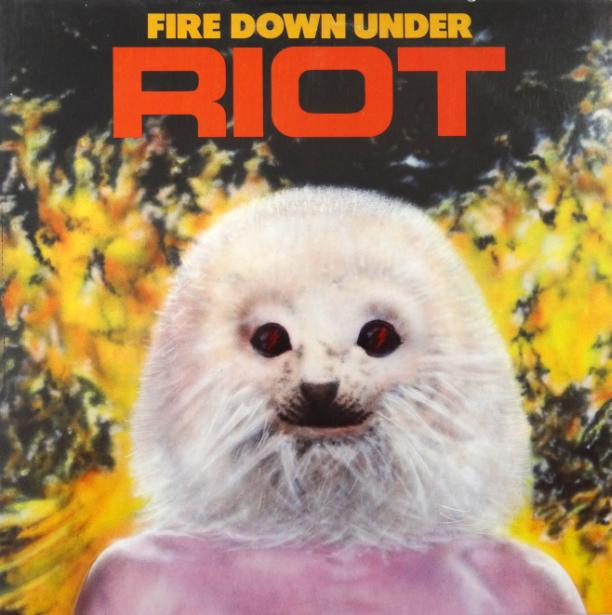
Riot - "Fire Down Under"


Around 1981, metal was fairly confused regarding its own direction. Black Sabbath had founded the genre on a foundation of heaviness; Judas Priest had stripped away most of the blues influences and defined early metal images and lyrical styles; and Motörhead had further embraced the styles of Judas Priest while blending in their own punk influences. However, come 1981, metal had begun to branch out, with the NWoBHM kicking the speed of things up a notch and with Venom taking metal's core themes to darker territory. While there is certainly value to be found in the extreme metal movement that ensued, Riot came in 1981 with Fire Down Under to pay homage to the greats of the oldest school of metal and to forge their own metallic legacy. 


One aspect of Fire Down Under that is best mentioned now rather than later is that it is a perfect display of inconsistency in a metal album, with only Blood Fire Death or Left Hand Path challenging it (two albums that blow their load way too early with an epic first track or two). For all intents and purposes, I am reviewing the first half of this album, as the second half is far too tame by comparison. 


That being said, the first few tracks of this Riot record are some of the best in metal. Most notable are the first two songs, "Swords and Tequila" and "Fire Down Under", although tracks like "Outlaw" or "Don't Bring Me Down" are extremely worthwhile as well. These tracks perfectly integrate the newfound speed metal flare of the NWoBHM with the fun themes of early Judas Priest and Motörhead; in essence they are perfectly "metal" as very little embodies early metal subculture like good 'ole swords and tequila. However, unlike many of their contemporaries, Riot have more going for them on this record than mere rebellious lyrics. The memorable choruses and perfect pacing of the first few tracks make the album stand out even amongst elite peers such as Iron Maiden or Angel Witch. Also, the speed metal riff acting as the main hook in the title track is one of the most catchy yet creative riffs these ears have heard in a long time. 


To sum up this review in one sentence, Riot earn their place amongst metal greats not by their transcendent songwriting (i.e. early Skepticism) or their extreme morbidity (i.e. Hellhammer), but rather with a highly effective embrace of '70s metal culture and early '80s metal riffcraft.

Monday, August 15, 2011

"Proto" Extreme Music - The Middlemen of Metal

Metal as a genre has reached various milestones through the releases of the most prominent bands; the doom metal sound was defined by Black Sabbath while Morbid Angel refined the death metal sound, and so on. However, these radical groups did not simply produce pure innovation not derivative of any others. Kill 'Em All, Under the Sign of the Black Mark, or Altars of Madness all had their fair share of influences. In most cases, there existed specific releases that bridged the gap between the NWoBHM and thrash and between thrash and the even more extreme varieties of heavy metal. The purpose of this post is to pay tribute to some of these early and more primal benchmarks.


Diamond Head - "Am I Evil?" (1980)

With this track, Diamond Head were some of the first to hint at the imminent thrash metal scene with their chugging proto-thrash riffcraft.


Venom - "Witching Hour" (1981)

Picking up the speed from where Diamond Head left off, Venom produced a true thrasher here while mixing in their newly discovered extreme metal aesthetic.


Discharge - Hear Nothing See Nothing Say Nothing (1982)

While technically not a metal band, hardcore punk masters Discharge were massively influential to extreme metal, producing thrashy tunes rooted in simplistic riffcraft.


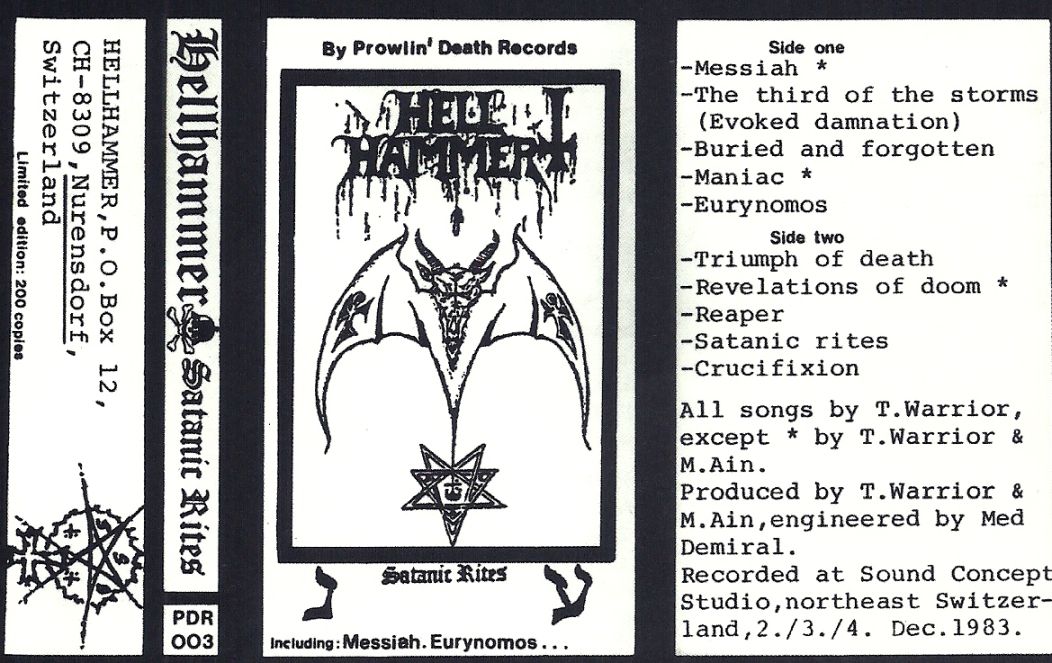
Hellhammer - Satanic Rites (1983)

You can read more on Hellhammer in my review on this blog, but they essentially introduced to metal an atmosphere oozing with morbidity and a new style of riffing that allowed acts like Winter and Therion to rise to power.


Sodom - In The Sign Of Evil (1984)

With In The Sign Of Evil, Sodom crafted some primitive thrash-driven black metal, driven more by thrash than Venom worship as opposed to Bathory's self-titled effort.


Destruction - Sentence Of Death (1984)

While their efforts may not have been as extreme as their cohorts Sodom and Kreator, there is little doubt that Destruction crafted better songs structurally and would inspire the thrash scene as much as their comrades.


Sepultura - Bestial Devastation (1985)

While other innovators of their time were leaning towards a black metal inspired sound, Sepultura embraced the newfound soundscapes of death metal.


Death Strike - Fuckin' Death (1985)

Death Strike (as well as Master) combined the musical stylings of Discharge with the morbidity of Hellhammer and a guitar tone that vastly influenced particular future death metal scenes, especially the Swedish scene.


Possessed - Seven Churches (1985)

While Possessed are widely considered one of the founding fathers of death metal, and Seven Churches one of its major milestones, I feel that this still belongs in this post due to the ever-present dichotomy between death and thrash here.


Watchtower - Energetic Disassembly (1985)

While Morbid Angel, Incantation, or Dismember might draw more influence from Death Strike or Possessed amongst bands on this list, you may wonder where bands like Cynic and Atheist find their sound. Their chief influence is here, in Watchtower's progressive variety of thrash.


Sadus - Death To Posers (1986)

There is little to say about these highly influential proto-death metal bands after Possessed has been mentioned, but, nevertheless, this is proto-death of the highest quality.


Kreator - Pleasure To Kill (1986)

While this is technically thrash, there is quite a bit of debate here and there as it can function as a death metal record. The music is highly violent and utilizes tremolo riffage at times. Makes me think Exodus had some inspiration for their song "A Lesson In Violence".


Wednesday, August 10, 2011

Meshuggah - My Experience

As I expand upon this blog, I am becoming rather verbose in my rhetoric; however, that need not always be the case. Some bands can be summed up in a sentence or two.

Meshuggah. One trick ponies who have yet to realize that most guitars come with more than one string. By embracing Dream Theater's concept of over-indulgent guitar wankery but replacing the use of lightning-fast melodic lines with a few rhythmic flourishes, they masquerade as innovators. Best of all, their vocalist possesses no real menace or fierce aggression, but rather is reminiscent of a pro-wrestler frustrated with his hemorrhoid donut.

Tuesday, August 9, 2011

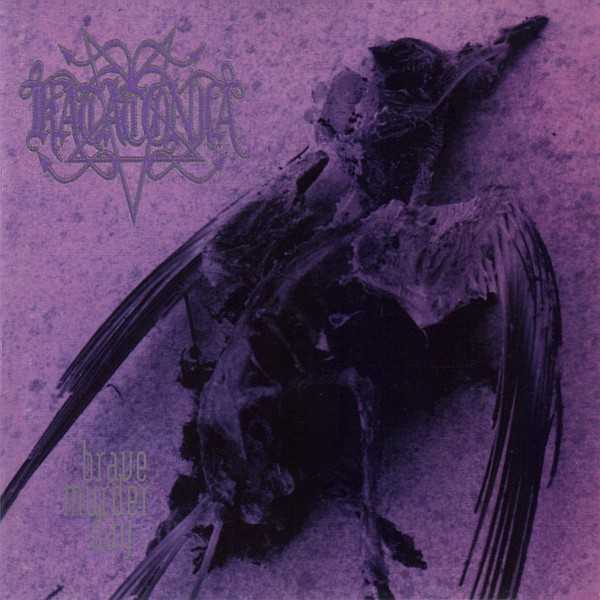
Katatonia - "Brave Murder Day"


Legendary amongst the newer breed of metalhead (those that first worship Opeth, Katatonia, Agalloch, Enslaved, and the like before delving deeper), this was appropriately one of my first favorite metal records. However, despite my initial love for it, Brave Murder Day has become an enjoyable yet somewhat frustrating listen recently. On the surface, this album seems to be just another "sad" death/doom album, but with further analysis of the various musical elements, it reveals a myriad of musical influences; therefore, for this specific review, I'll be analyzing each individual song in turn.

While most Katatonia fans separate their discography into two or three distinct eras, specifically partitioning off Brave Murder Day with its more accomplished predecessor Dance of December Souls as simply the "metal" era, this album is quite distinct from its predecessor and actually hints quite a lot at their later material. Oddly enough, while this is technically extreme metal due to the presence of Mikael Akerfeldt's death vox and some double bass drumwork, most of the influences from traditional extreme metal are gone on this album. It is a massive departure from the masterpieces from the forefathers of death/doom like Winter and Paradise Lost or the more melancholic My Dying Bride or the debut of Katatonia themselves. Anywho, without further ado...

The album opens with "Brave", which retains heavyness and thus masquerades as extreme metal in the eyes of most fans, but the riffing style throughout is more reminiscent of the shoegaze-influenced and droning depressive rock the band would become known for on their next two releases. All the elements are there: the strummed distorted power chords, the trebly melancholic leads, a more rock-like production quality, and the rise of clean electric sections favored over acoustic guitars. Anyways, despite my opinions on the song differing vastly from that of most fans, strictly qualitatively speaking, I still think it's wonderful. The main riff is catchy yet powerful, and the leads are as sorrowful as they need to be; however, I do think the droning mid-section with all the guitar feedback could be trimmed a bit and that the song might be better as an 8-minute track.

Next comes "Murder" which is a little less well-written in terms of flow and the connection between segments. The droning intro/outro riff really has little relevance to the middle of the song, despite its infectious quality. While the song-writing is odd (it's as if Katatonia wrote a 2-3 minute song then bookended it with this riff), one element I really enjoy about "Murder" is that it's the one song on the album that really embraces its extreme metal roots in the doomy riffwork. Also, Anders Nystrom's ability to use the tapping technique with his guitar in a way that is actually melancholy and not acting as self-indulgent shredding is something I appreciate.

I don't have much to say about "Day". The song is effective at achieving its goal, embracing Katatonia's chief non-metal influences of post-punk and dream pop while simultaneously serving as a break in the album's emotional intensity. There is but one major flaw: The Cure did it much better.

The album returns to it's distorted form in "Rainroom", which is a bit of a frustrating song for me. The intro/outro riff is uninspired and a real bore, and the generic vocal patterns overlaying said riff don't help. The rest of the song, however, is fantastic, with a more melodic, somewhat doomy riff following. The highlight of the song soon follows with a clean toned progression of minor triads that sounds purely tranquil with a hint of sorrow; Nystrom and Renkse then develop on this progression by overlaying a typical droning riff and some truly ethereal vocals. A modern comparison of this section would be Alcest. After a few bars, the song then returns to the album's normal form with an interesting, almost sinister lead that hooks you in before letting you down with that subpar outro riff.

The next song, "12", is equally frustrating, but this time for different reasons. In a lot of ways this song is very similar to Opeth's "Advent" or "Nectar"; and my frustrations for all three songs are similar. Firstly, it is notable that these songs have absolutely stunning dual guitar melodies. In fact, the harmony sections in "12" are possibly my favorite parts of Brave Murder Day. Despite my often negative view of this song, I simply cannot praise those harmonies enough; it's moments like these that make Katatonia one of my favorite bands still to this day. On the other hand, "12" shares all the weaknesses of the aforementioned Opeth songs, and, possibly because of my Opeth fandom, I find "12"'s weaknesses even more debilitating than those of those songs. For one thing, the songwriting here is dreadful, with the abrupt power chord transition to the outro melody being one of the worst transitions I've ever heard in music. And, for another, some of the riffs, like the first clean section and the chugging section, simply aren't very good, being almost as mediocre as that riff from "Rainroom".

Lastly comes "Endtime", most likely my favorite track from the album, if only for the fact that I have no complaints about it. Its clean sections emanate a celestial atmosphere only seen elsewhere in the brief clean portion of "Rainroom". Both its metal melodies are more interesting than the minimalist and depressing melodies from "Brave". I also enjoy how the first heavy riff is played again in reprise but with a different tempo. Lastly, although Akerfeldt's vocal performance is inferior to the more passionate performance of Renkse on the previous album, Mikael's performance on this specific song is certainly his best on the album.

Special Note: If "Nowhere" from the Sounds of Decay EP and thus the bonus track listing was included on the original album, it would be the best on the album.

Special Note #2: An unfortunate thing about this album is that it has a sort of Pantera effect. By that, I mean that it spawned a whole movement of uninspired bands, namely Rapture, Swallow the Sun, and such.

TL;DR, flawed yet fantastic.

Monday, August 8, 2011

My Top 10 Songs


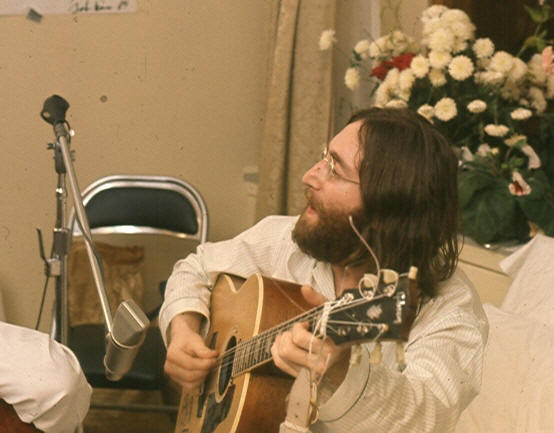
1. The Beatles - "In My Life" - So much is packed into this little song, and I consider it in many ways to be a culmination of centuries of musical efforts. After Beethoven, Tchaikovsky, and Shostakovich sought to produce aural magic with majestic symphonies on a grand scale, along came artists such as John Lennon and Paul McCartney, conveying a great host of emotions in a work as simple as this. In a little over two minutes, The Beatles prove themselves here to be masters of consonant melody and minimalist pop. The atmosphere is utterly tranquil, offering a sense of peace as if to say "all is well"; in other words, The Beatles excelled far more at what Explosions in the Sky, Sigur Ros, and Eluvium tried to accomplish almost 40 years later.


2. Skepticism - "The Gallant Crow" - While this is technically (I mean, instrumentally) a metal song from a metal album, I do not necessarily consider it to be the pinnacle of metal by any means for a couple of reasons. Firstly, the attitude of this song is not rebellious, aggressive, or oppressive, but rather it is deeply emotional and transcendent. Secondly, the production places the metal elements (distorted guitars and vocals) deep in the background while ambient elements are brought to the foreground. The dynamics are such that this essentially becomes a minimalist organ work. Anyway, the melodies here are just about the best thing any minor scale has ever produced. While the lyrics are indiscernible, I imagine an epic ballad of tragedy and loss as the otherworldly melodies sweep me away.


3. Bathory - "A Fine Day To Die" - Did I mention the words "pinnacle of metal" earlier? Well, this is it. Not some Judas Priest tune celebrating leather, spikes, and motorcycles, nor some Sodom thrasher spewing hatred and blasphemies, but this. For one thing, all the simple elements are here in the highest quality; the riffcraft is top notch, and the songs properly build up tension then release said tension with powerful and commanding guitar solos. The highlight of this track, however, is its epic quality. Other than Beethoven's 5th and Howard Shore's works, such majesty has never been achieved elsewhere in sonic form, though perhaps Dark Side of the Moon or Crystal Logic come close. The lyrics paint a vivid image of warriors on the eve of battle, and stir up in the listener deep nostalgia for this epic tale.


4. The Beatles - "I'm Looking Through You" - I'm afraid not much can be said of this song that was not already said of "In My Life"; it's melodies and minimalist nature are simply some of the best in music. However, this song is more guitar driven than "In My Life", and, in my humble opinion, epitomizes the chord-strumming style of acoustic guitar (I specify this style because I do consider Michael Hedges to be a more accomplished acoustic guitarist in general by far). Also, the atmosphere is distinctly different in this track. "I'm Looking Through You" is not quite melancholy but certainly does not contain the same above-mentioned attitude of contentment and peace.


5. Dead Can Dance - "In Power We Entrust The Love Advocated" - While Dead Can Dance stuck to their world music roots throughout their career, they did not always infuse this influence with their legendary neoclassical style. Instead, on their first album and EP, they mixed the sounds of the early post-punk scene with world music influences; listeners could draw comparisons to earlier works of The Cure or Joy Division. Most of this early material is worthwhile but a bit droning (as some post-punk can be). This track, on the other hand, is an absolute beauty, and one of the most ethereal pieces of music these ears have ever beheld. In addition to the sublime and otherworldly atmosphere, Brendan Perry's lyrics on his early work were as interesting as ever, and he manages to sing baritone astoundingly and without sounding monotone.


6. Opeth - "The Leper Affinity" - Opeth is a curious band; any seasoned music fan will note a myriad of technical flaws in their music, most notably in form. However, despite questionable moments here and there, especially on their first two albums, they often display an uncanny ability to flow from one section to another seemingly unrelated section with great dexterity. This song best displays that trait, and, as an added bonus, just happens to contain several of Opeth's best riffs and two of their finest solos. It drops off ever so slightly towards the end, but that can be forgiven, given that, for the first seven minutes or so, Opeth blaze through riffs of the highest quality with no apparent feelings of disjointedness, and rapidly change moods from sinister, technical metal riffs to gorgeous acoustic sections.


7. Howard Shore - "The Ring Goes South" - Most of the credit must go to Tolkien for this entry, as it's his magical world that Shore's soundtracks bring to life. Middle-Earth lore is, to me, the most intricate and fascinating of the world of fiction, and Howard Shore's themes effectively bring me boatloads of nostalgia as they cause me to reflect on Tolkien's remarkable creation. As far as music goes, I'm not the most well-versed person in classical music, but even amongst the great German composers, I think Shore has earned his place as one of the finest composers of leitmotifs. I chose this "song" simply because it is a simple track portraying the most notable of Shore's leitmotifs, although the Rivendell theme and the Rohan theme are personal favorites as well.


8. Fates Warning - "Guardian" - In the vast world of prog, there have been two types of guitar solos. Those that pour every ounce of the guitarist's emotion into each and every well-placed note, and those that mindlessly noodle about, seeking only to flaunt the guitarist's technical skill. The former obviously being preferable, the best example in '70s rock would be David Gilmour's soulful leads. As for the world of heavy metal, one of the finest displays of lead guitar is here, in Jim Matheos' gorgeous solos. Both solos in this song rank amongst the best in music, if you ask me, with sparse sections and with shredding sections, but ever so-tasteful unlike the robotic shreds of John Petrucci. In other news, John Arch's soaring vocals are at their absolute best here, as are is lyrics, which do not follow the dark trends of most heavy metal.


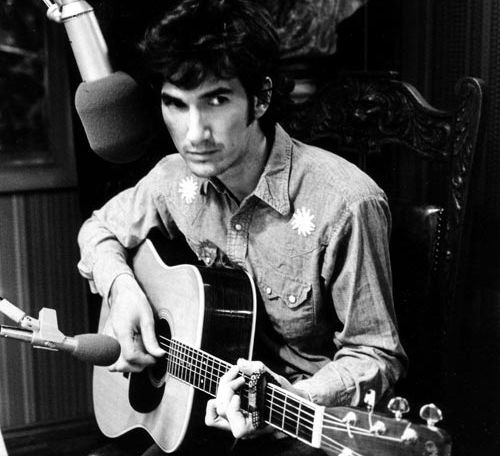
9. Townes Van Zandt - "Marie" - Townes was always a bluesy songwriter, but "Marie" is simply on a whole new level. A song about the American homeless, this is possibly the most tragic piece of music I have ever heard. While we may not relate on a socioeconomic level, most can relate on some level to this work, which really speaks volumes about the human condition in general. The guitars are certainly melancholy, but it's the lyrics that are borderline frightening, especially to the anxious heart. 


10. Tool - "No Quarter (Led Zeppelin Cover)" - Once my favorite song years ago, I've often listened to this song on repeat in my car when mp3 players weren't an option and onlySalival remained in my CD player. It's truly remarkable how Tool have taken one of the most classic Zeppelin tunes and, in some ways, improved upon it. While the original song is haunting and bluesy, this polished version of Tool's is heavy and beautiful at once. Most importantly, a factor that makes me prefer this to the original, Tool build up tension in the latter half of the track and release it in a most fierce and climactic way, that trumps the more meek sound of the original. Also important, this version contains the most beautiful interlude I've ever heard in rock music.

Considered But Rejected Entries:

- Neil Young - "Harvest"
- Miasma - "Baphomet"
- The Beatles - "You Won't See Me"
- Slayer - "At Dawn They Sleep"
- Chopin - "Nocturne No.1 in B Flat Minor"
- Agalloch - "A Desolation Song"
- Alcest - "Sur L'Ocean Couleur De Fer
- Eluvium - "Radio Ballet"
- Jeremy Soule - "Nerevar Rising"
- Katatonia - "Elohim Meth"
- Townes Van Zandt - "Black Crow Blues"
- Judas Priest - "Tyrant"
- Townes Van Zandt - "Fare Thee Well, Miss Carousel"
- Vali - "Doedens Evige Kall"
- Warning - "Footprints"
- John Lennon - "Working Class Hero"

Wednesday, August 3, 2011

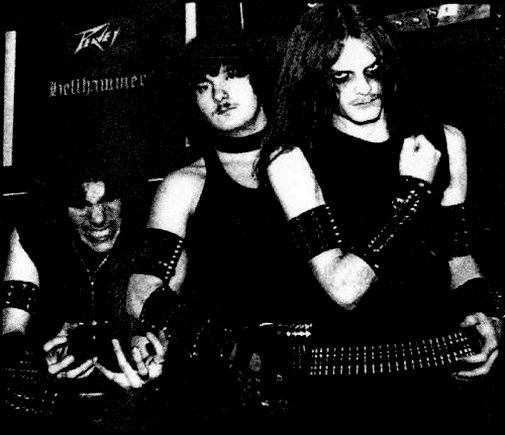
Hellhammer - "Satanic Rites"


In the evolution of metal, many bands have made important contributions, with Black Sabbath discovering the genre, Judas Priest stripping metal of many blues influences, Venom bringing metal to its extreme form, and so on. Hellhammer too would play a part in this evolution; in 1983 Hellhammer introduced metal with a degree of extremity not yet seen by the public. While Venom begun to introduce more taboo subject matter in their highly influential works Welcome to Hell and Black Metal, their material remained, for the most part, fun and upbeat under the heavy influence of the NWoBHM movement.

In contrast to their peers, Hellhammer's brand of metal was all but stripped of NWoBHM influences and instead focused on creating a more morbid aesthetic, straying from the energetic soundscapes of Motorhead and Iron Maiden and producing material more akin to Black Sabbath's sinister title track than anything else. Lyrically, they simply took Venom's lyrical themes a step further into morbid realms unseen before. 

Musically, Hellhammer, despite an entirely new atmosphere, maintains some of their roots. Their music revolves around simplistic and primitive riffcraft with infectious hooks, much like the works of Motorhead and Venom. While their music is more mid-paced, even doomy at times (see the legendary "Triumph of Death"), proto-thrash riffs abound as they do in prominent Venom tracks like "Witching Hour" or "Black Metal".

Production-wise, the earliest Hellhammer demos leave much to be desired; however, the production on this particular demo is perfectly fitting, as it is on the upcoming Celtic Frost work "Morbid Tales"; in fact, I'd say it's superior to Frost's "Emperor's Return".

In short, with this demo Hellhammer leave a permanent mark on the worldwide metal scene, and the extreme metal scene specifically would be forever indebted to Hellhammer's work. Without Hellhammer/Celtic Frost, one must question whether other monolithic achievements from Autopsy, Winter, and others would even exist. And, of course, the issue of influence vs. quality is simply non-existent here; Hellhammer was not an influential force soon to be surpassed by much better successors, but rather their work remains relevant today in terms of quality. "Triumph of Death" specifically is a piece that has yet to be matched by a similar song in the extreme metal scene.

Monday, June 27, 2011

Opeth - My Experience

As one delves deeper into music in general, the ear becomes more critical, observing not only melodic hooks and rhythmic flourishes but also song and album structures and other various nuances. Throughout my musical experience, my opinion of one of my favorite artists, Opeth, has been constantly subject to change as a result of this growth. The reason that my view of the "progressive" metallers has been subject to change is because, unlike the majority of bands that either understand all of the above musical elements or none of them, Opeth takes an advanced approach to melody and dynamics but displays a warped view of songwriting. 


This is most apparent in their earliest material, where songwriting ability is at an all-time low. Make no mistake, these awkward transitions and fills are not the progressive genius that fans often make them out to be, constantly drawing comparisons to Pink Floyd, Camel, and the like. The song-writing on albums like Orchid or Morningrise is genuinely abysmal, and, while the transitions are somewhat more subtle on later albums, Opeth never quite become great songwriters by any means. 


So why, you are surely asking yourselves, is Opeth amongst my favorite artists, if their song structures are seemingly non-sensical to the trained ear? To answer that question, it is, first of all, because Opeth truly excels in their melodies and riffcraft, the first things the ear notices. Secondly, when such elements make a deep impression on an impressionable listener, there is, as is the case with myself, an element of nostalgia present in each listen. As a result, each time I listen to Opeth, while I have become aware of their lacking song-writing abilities, I simply get lost in each individual movement, looking past the poorly structured whole. 


A perfect example is "The Twilight Is My Robe" off of Orchid ("black metal nonsense" indeed, to quote Mikael Akerfeldt); between the first lengthy acoustic passage of the song and the following melodic metal riff is the most out-of-place bass fill these ears have ever heard. At first listen, it can completely kill the mood set by the preceding acoustic passage. However, as one's ears adjust to Opeth's structural style (or, arguably, lack thereof), one can look past the awkward transition and see the two passages for what they are: separate movements with little to no connection that are, on their own, intensely emotional and powerful pieces of music.

Saturday, June 25, 2011

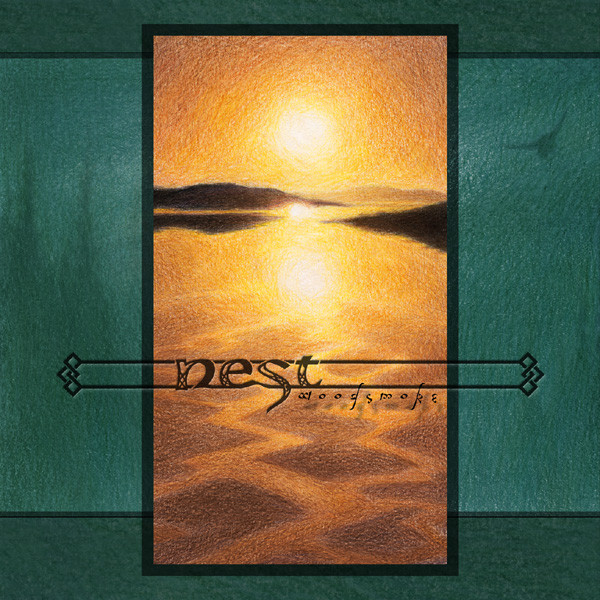
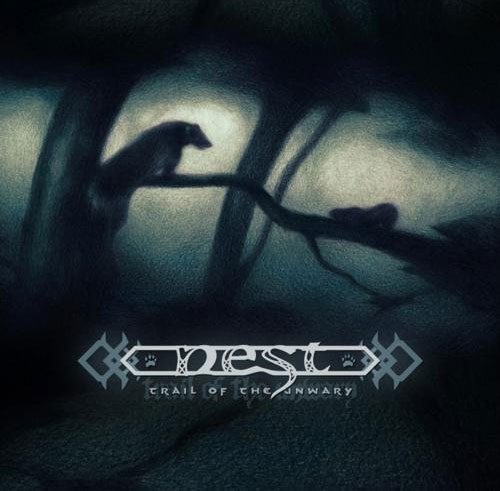
Nest (Fin)


Possibly a distant second to old school metal, neo-folk is one of my favorite genres of music. The best artists in the neo-folk movement capture this ethereal ambience in their music that post-rock or modern classical musicians often only hope to achieve. While I have been more emotionally affected by works like Vali's Forlatt or Ulver's Kveldssanger, Nest (the Finnish artist, not the equally popular modern classical artist from Norway) holds a special place in my heart these days. 

Whereas artists like Ulver, Vali, or October Falls utilize common instruments like the nylon-string guitar or various woodwinds to achieve their type of beauty, Nest utilizes instrumentation more traditional to their homeland. The result is that Nest's atmosphere is very reminiscent of nature itself. Specifically, the kantele, an instrument not unlike some sort of Finnish harp, and the Lapland drums dominate Nest's music.

As for which album I prefer, I really can't say at this juncture. I tend to lean towards Woodsmoke because it simply has more memorable moments; however, Trail Of The Unwary is arguably the more accomplished release of the two. The latter appeals to the more diverse musical pallet with its more drawn-out songwriting and its usage of more diverse instrumentation. The former is a much more simplified release that mostly showcases the group's ability to write melodies on the kantele, but, as noted above, the fact that these melodies are infectious and atmospheric simply cannot be ignored. 

Deathspell Omega - "Fas - Ite, Maledicti, In Ignem Aeternum" - An Old Album Review

A couple of years ago I wrote several extensive reviews of various albums, and the review below remains my favorite of the bunch. Throughout my freshman year in college, this band was essentially my favorite band of all time. The album title is a reference to the Latin Vulgate, meaning "By divine law, go, you cursed, into the eternal fire!"


Deathspell Omega is a black metal band often associated with the orthodox black metal movement and the legendary Norma Evangelium Diaboli label; however, with the release of Fas – Ite, Maledicti, in Ignem Aeternum, labeling Deathspell Omega as merely another black metal band in the vein of Anteaus or Katharsis discredits the band’s astounding abilities and creativity. This release not only defies the standards typical of black metal but also is one of the most interesting musical pieces ever heard by these ears.

Fas has an entirely unique sound unlike anything I’ve ever heard; however, if one were to attempt to draw comparisons, the jarring rhythms of Gorguts’ Obscura, the dissonant arpeggios of The Chasm, the eerie ambient sections from Blut Aus Nord’s The Work Which Transforms God, and the grindcore-esque blasting and aggression of Blasphemy all come to mind. The metal portions of the music are essentially comprised of the most dissonant chord progressions one can imagine, all shrouded under noisy blast beats and the occasional wild guitar solo. Due to both the speed, dissonance, and complexity of the guitar work and the production, any of the four main compositions of Fas would be a nightmare to tab. Indeed, I am sometimes awed that the album is played by humans. As far as the drums are concerned they are mixed so loudly that they could be considered the album’s chief flaw, but I find that the drums only enhance the album’s dark mystique by making the guitar work even more difficult to discern.

The album is not entirely comprised of these chaotic sections, but rather these blasting parts are tastefully contrasted with both disturbing choral sections and eerie segments of multi-tracked guitars, drenched in reverb. For instance, each “song” ends in about a minute of quiet ambience made up of mad choirs and creepily out-of-tune pianos, all building suspense for the utter chaos of the album’s heavier sections. In addition, the compositions contain dissonant, for lack of a better word, “mellow” sections as seen in “Obombration”, the interlude of “Bread of Bitterness”, or the intro of “The Repellent Scars of Abandon & Election” that include multiple tracks of droning guitars and the same disturbing out-of-tune piano.

While Fas deviates from Deathspell Omega’s past works with far more chaotic guitar work, more eerie atmospheric sections, and the addition of guitar solos, a few elements remain consistent with recent works such as “Diabolus Absconditus”. Mikko Aspa uses the same evil growl, and the lyrics are in a similar vein to other works, looking more like the insane musings of a theologian than the lyrics of a black metal band. 

What is most intriguing about Fas is not any one of these elements alone but rather the effect that all of these elements have on the patient listener. The metal sections of each composition are so difficult to comprehend and the ambient sections are so dense and eerie that the album can only be fully digested, if ever, after many listens. While some would consider the sheer chaos of Fas to be a flaw, it makes the album of a more interesting listen, as the listener must attempt to find some order out of the chaos. Having listened to the album fifty times or so myself, I still find new nuances amidst the chaos, making Fas – Ite, Maledicti, in Ignem Aeternum, one of the most rewarding listens of my musical collection.